Enhancing Structural Integrity: The Importance Of Seismic Bracing Systems
In areas prone to earthquakes and other seismic activities, the structural integrity of buildings and infrastructure is of utmost importance. Ensuring the safety of occupants and preventing extensive damage during seismic events requires the implementation of robust seismic bracing systems. These systems are designed to strengthen structures and reduce the risk of collapse or significant structural damage when the ground shakes. In this article, we will explore the significance of seismic bracing systems, their components, and how they contribute to overall structural resilience.
seismic bracing systems are an integral part of earthquake-resistant design and are commonly used in various types of buildings, including commercial, residential, and industrial structures. The primary purpose of these systems is to provide lateral support and stability to buildings by counteracting the horizontal forces exerted during seismic events. By dissipating and redirecting seismic forces, seismic bracing systems help minimize structural deformation and prevent structural failure.
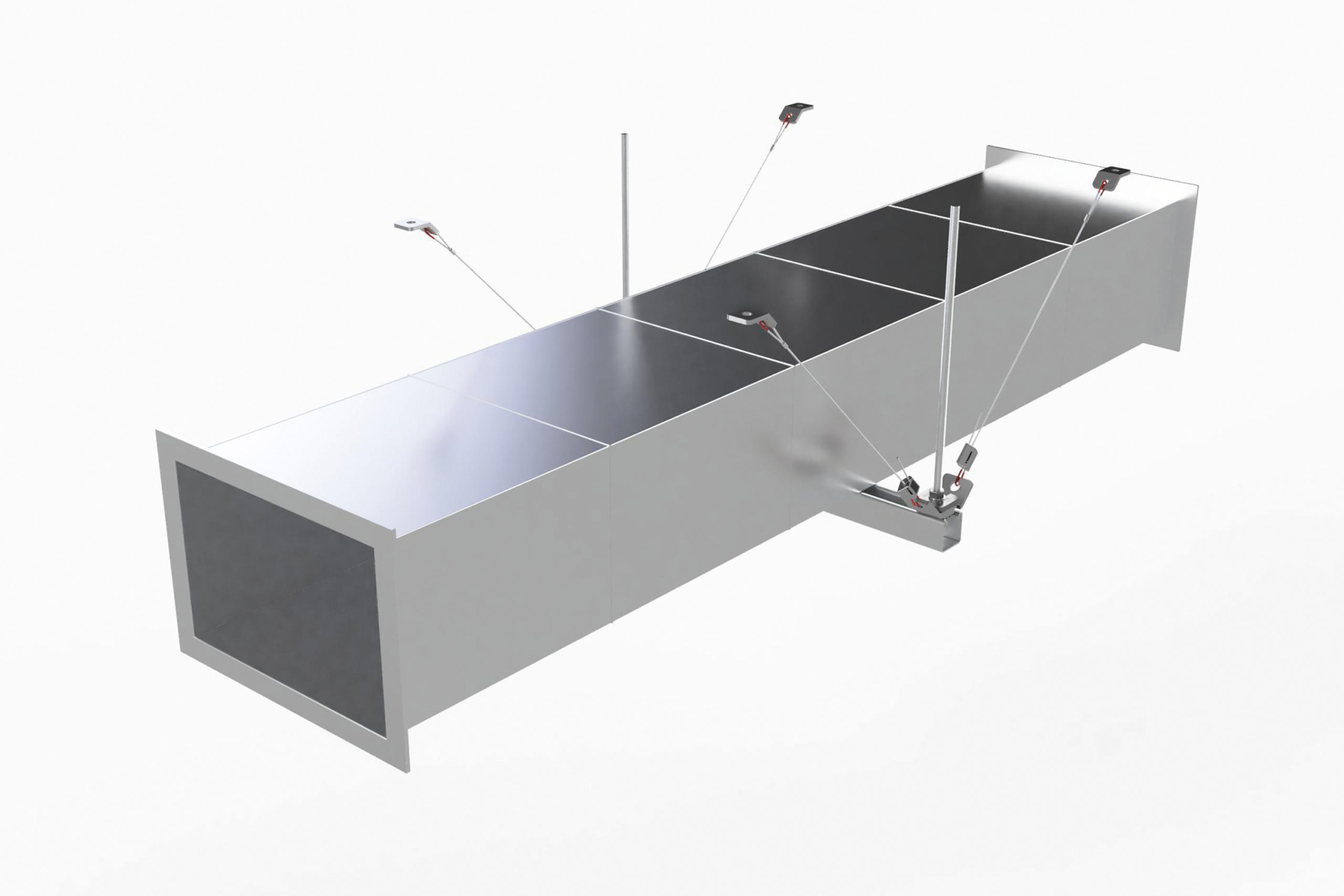
There are several components that make up a seismic bracing system, each playing a crucial role in ensuring the overall effectiveness of the system. One key component is the braces themselves, which are typically made of steel and are strategically placed within the structure to provide additional support and stiffness. Braces are designed to absorb and distribute seismic forces, reducing the strain on the building’s main structural elements such as columns and beams.
Another essential component of a seismic bracing system is the connections that attach the braces to the building’s framework. These connections must be robust and capable of transferring forces efficiently to ensure that the system performs as intended during a seismic event. Additionally, the anchorage of the braces to the foundation is critical in preventing the building from sliding or toppling over during strong earthquakes.
The design and implementation of seismic bracing systems require careful consideration of various factors, including building height, occupancy load, soil conditions, and anticipated seismic forces. Engineers use sophisticated modeling and analysis techniques to assess the structural response of buildings to seismic loads and determine the most suitable bracing system for a particular structure. By incorporating seismic bracing systems into the overall design of a building, engineers can enhance its resistance to seismic forces and improve its chances of withstanding a major earthquake.
seismic bracing systems not only protect buildings and infrastructure but also safeguard the lives of occupants and emergency responders. In the event of an earthquake, buildings with effective seismic bracing systems in place are more likely to remain standing and provide a safe environment for evacuation and rescue operations. By reducing the risk of structural collapse, these systems help mitigate the impact of earthquakes on communities and prevent loss of life and property damage.
In addition to their primary function of enhancing structural resilience, seismic bracing systems can also contribute to the overall sustainability of buildings. By increasing a building’s ability to withstand seismic events, these systems can help extend the lifespan of the structure and reduce the need for costly repairs and reconstruction. In this way, seismic bracing systems not only enhance safety but also provide long-term economic benefits to building owners and stakeholders.
As the frequency and intensity of earthquakes continue to pose a threat to communities around the world, the importance of seismic bracing systems in ensuring structural integrity cannot be overstated. By investing in robust seismic bracing systems, building owners and developers can protect their investments and prioritize the safety of occupants. When properly designed and implemented, seismic bracing systems serve as a critical line of defense against the destructive forces of earthquakes and contribute to the overall resilience of buildings and infrastructure.
In conclusion, seismic bracing systems play a vital role in enhancing the structural integrity of buildings and infrastructure in seismic-prone regions. By providing lateral support and stability, these systems help reduce the risk of structural failure during earthquakes and protect the lives of occupants. With careful design and implementation, seismic bracing systems can significantly improve the resilience of buildings and ensure their ability to withstand seismic events. Investing in robust seismic bracing systems is a crucial step towards creating safer and more sustainable built environments in earthquake-prone areas.